12 Future Smart Home Gadgets That Could Change Daily Life in 2027
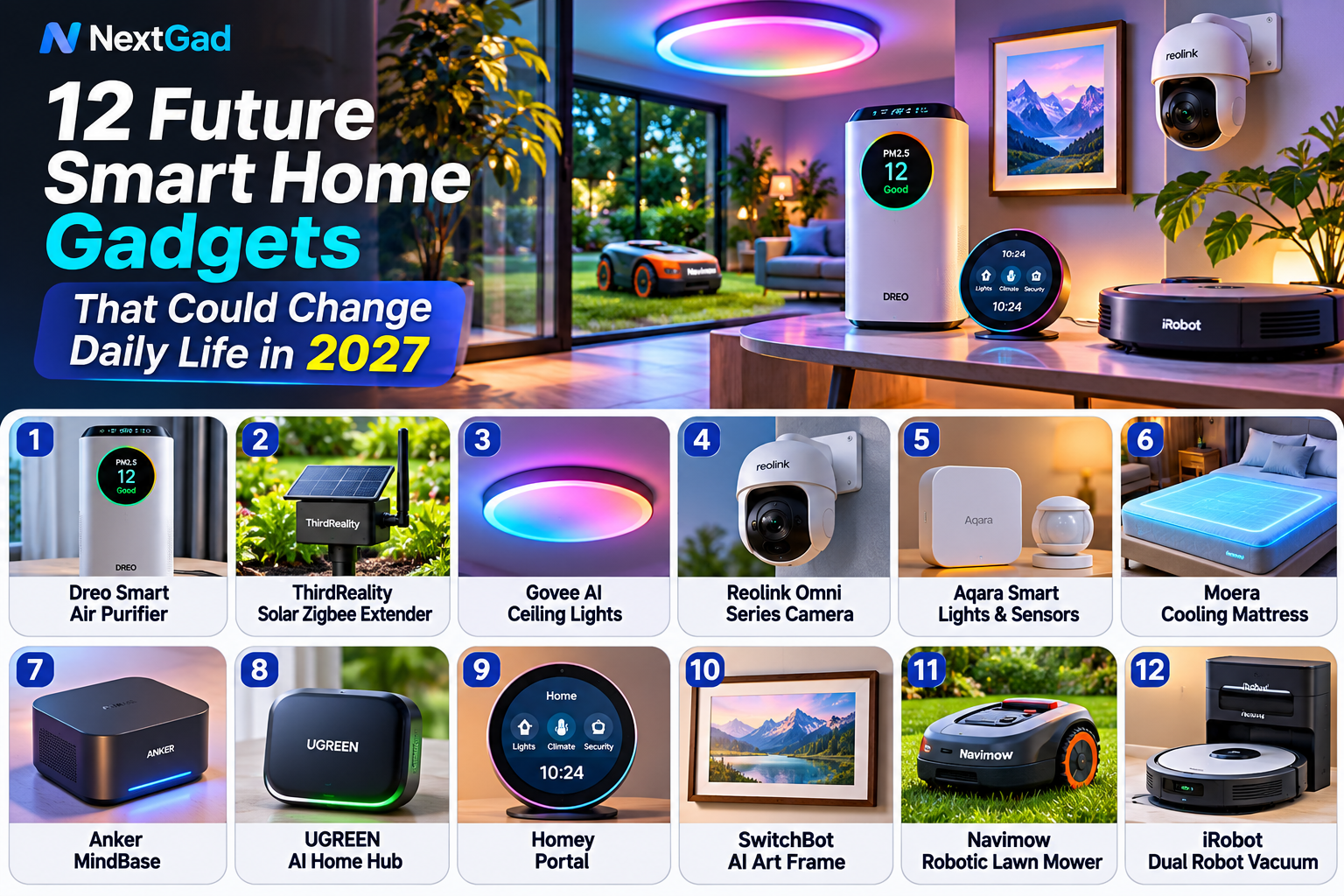 12 Future Smart Home Gadgets That Could Change Daily Life in 2027
Imagine waking up in a bedroom that has already adjusted to your preferred temperature. The air purifier has quietly improved the air quality overnight, your lights gradually brighten as morning approaches, and your home security system knows the difference between a family member and an unexpected visitor.
A few years ago, that might have sounded like something from a science fiction movie. Today, much of the technology needed to make it happen already exists.
Smart home gadgets are moving beyond simple voice commands and smartphone controls. The next generation focuses on automation, energy efficiency, comfort, security, and artificial intelligence that can help different devices work together.
At IFA 2026 in Berlin, technology companies demonstrated products and concepts that offer an interesting glimpse into the future of connected living.
Here are 12 future smart home gadgets worth watching as we head into 2027.
Editor's note: This article includes a mix of existing products, newly demonstrated devices, announced technology, and early concepts. Not every product is confirmed for a 2027 release.
1. Dreo Smart Air Purifier — A Home That Understands Air Quality
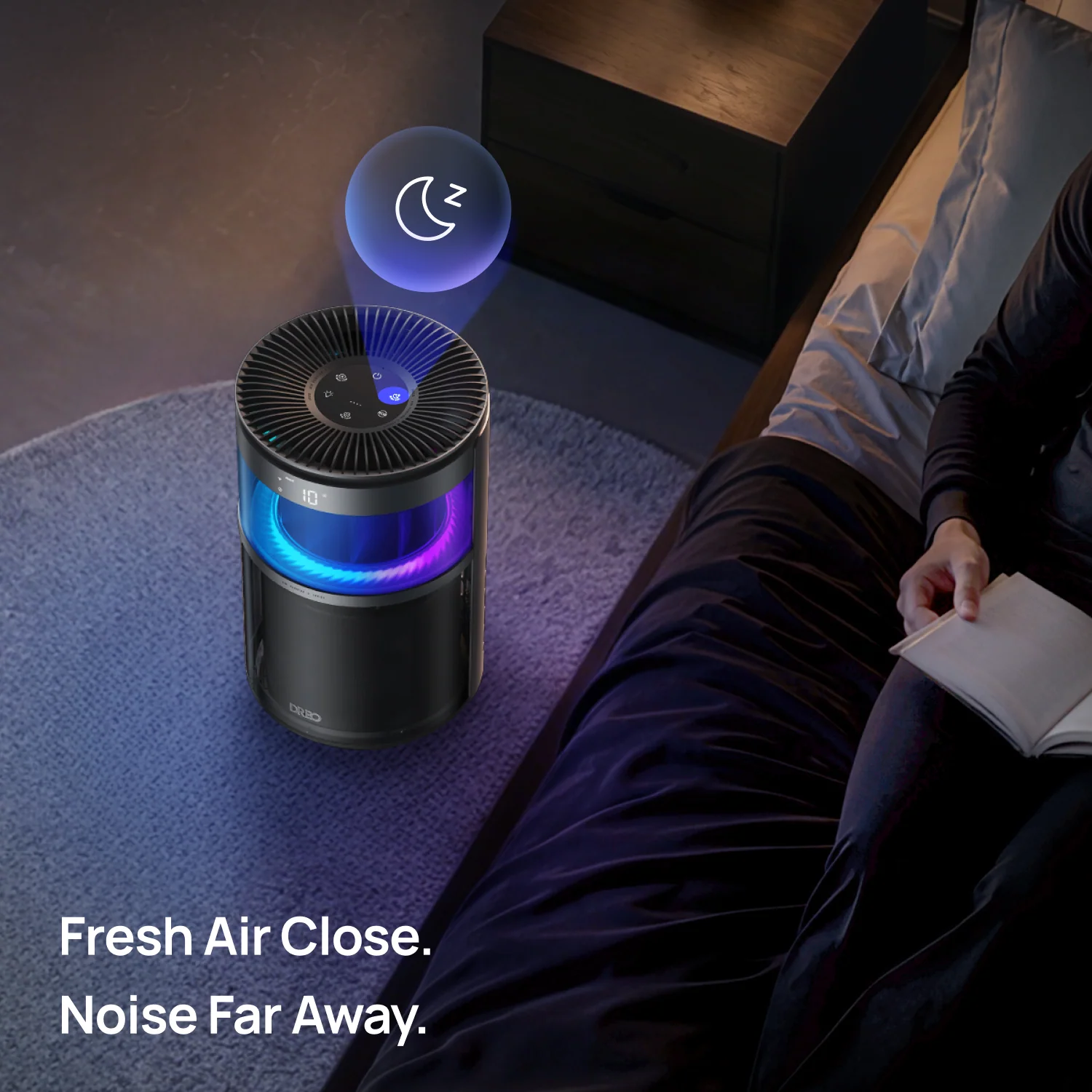
Air purifiers are useful, but most people have no idea how effectively they're cleaning the air around them.
Dreo is exploring a more informative approach with its smart air purification technology.
The company's demonstrated 530S air purifier includes real-time PM2.5 readings, visual air quality indicators, and app-connected features designed to help users understand their indoor environment.
Instead of simply turning an air purifier on and hoping for the best, you could monitor how your home's air changes throughout the day.
Dreo has also demonstrated an Air Intelligence concept focused on using environmental data, comfort preferences, and energy information to coordinate connected appliances.
Why it could change daily life
Imagine your home detecting worsening air quality and automatically adjusting compatible equipment without waiting for you to open an app.
That could be especially helpful for people living in busy cities, households with pets, or anyone interested in a healthier indoor environment.
Best for: Indoor air monitoring, connected home comfort, and automated air purification.
What to watch: Real-world performance, device compatibility, and which AI features become available to consumers.
2. ThirdReality Solar Zigbee Extender — Smarter Gardens Without Constant Charging
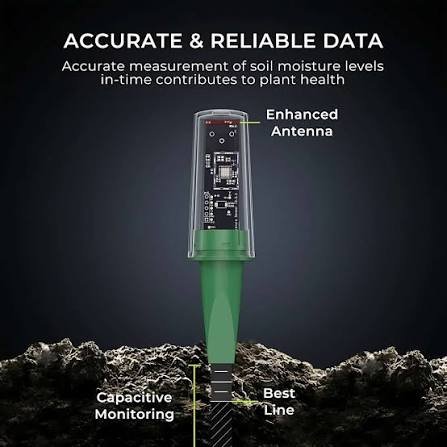
Smart home technology doesn't have to stop at your front door.
Outdoor soil moisture sensors, garden devices, and other connected equipment can be useful, but wireless coverage often becomes a problem when they are installed far from the house.
ThirdReality demonstrated a solar-powered Zigbee range extender designed to address that issue.
The device uses solar panels and an outdoor-friendly design to help extend Zigbee connectivity to more distant devices.
According to the demonstration, it can also continue operating for an extended period without sunlight.
Why it could change daily life
A smart garden becomes much more practical when sensors can communicate reliably from different parts of the yard.
You could monitor soil conditions and build automations around watering schedules without relying on Wi-Fi coverage everywhere.
Best for: Smart gardens, outdoor sensors, and larger properties.
What to watch: Actual wireless range, weather resistance, and battery performance under different conditions.
3. Govee AI Ceiling Lights — Lighting That Changes the Atmosphere
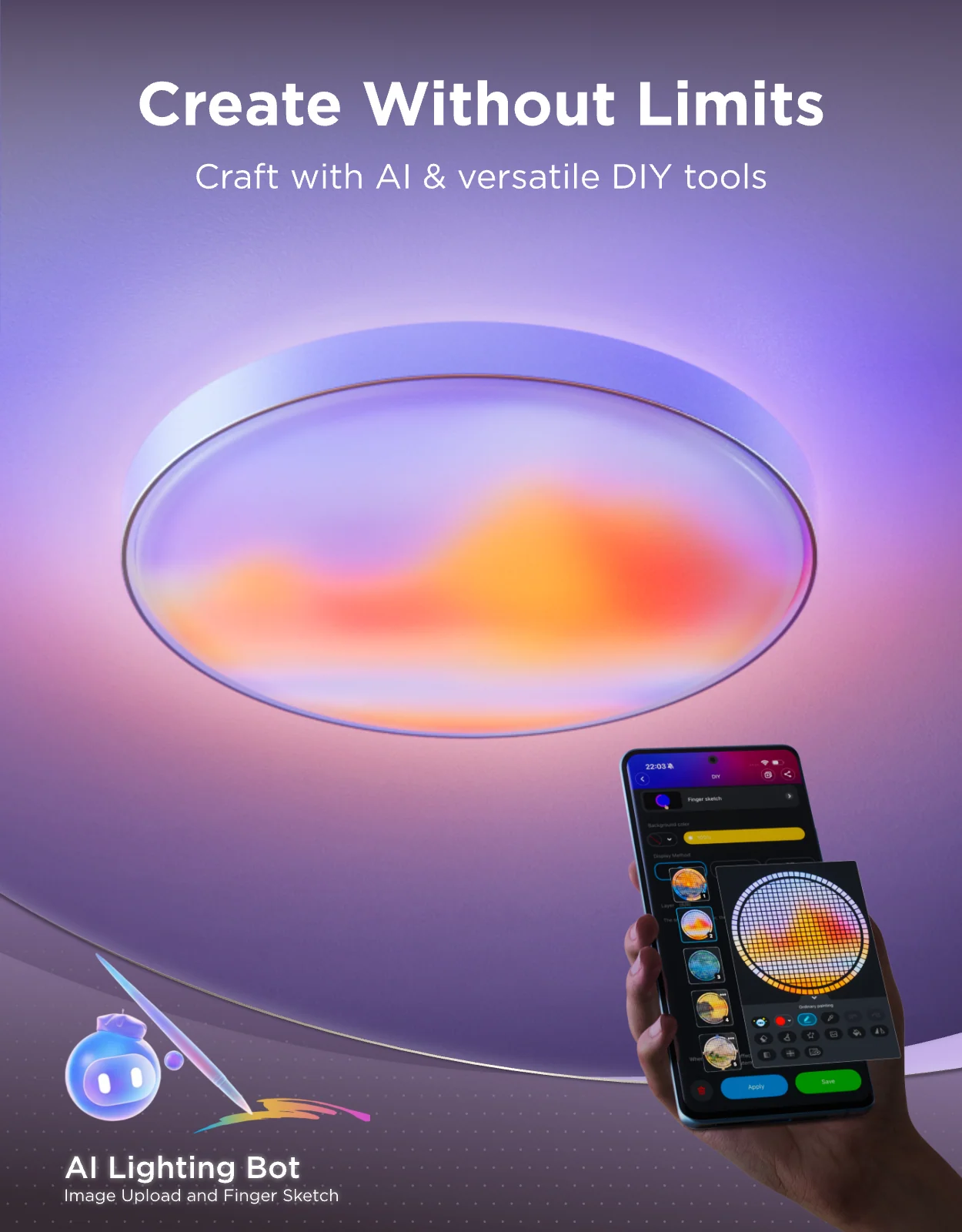
Smart lights have been popular for years, but companies are finding new ways to make them more expressive.
Govee showcased its Ceiling Light Ultra and Sky Ceiling Light, highlighting different approaches to decorative and ambient lighting.
The Ceiling Light Ultra can display visual patterns and effects, while the Sky Ceiling Light focuses on colorful illumination.
Govee has also been experimenting with AI-assisted lighting experiences.
Why it could change daily life
Lighting affects how a room feels.
Bright lighting can make a workspace more functional, while softer colors can create a relaxed atmosphere in the evening.
With programmable scenes and compatible smart home integrations, lighting can become part of a daily routine rather than something you constantly adjust manually.
Best for: Bedrooms, gaming rooms, entertainment spaces, and modern living rooms.
What to watch: AI feature usefulness, app experience, and compatibility with other smart home systems.
4. Reolink Omni Series Camera — Smarter Home Security Coverage
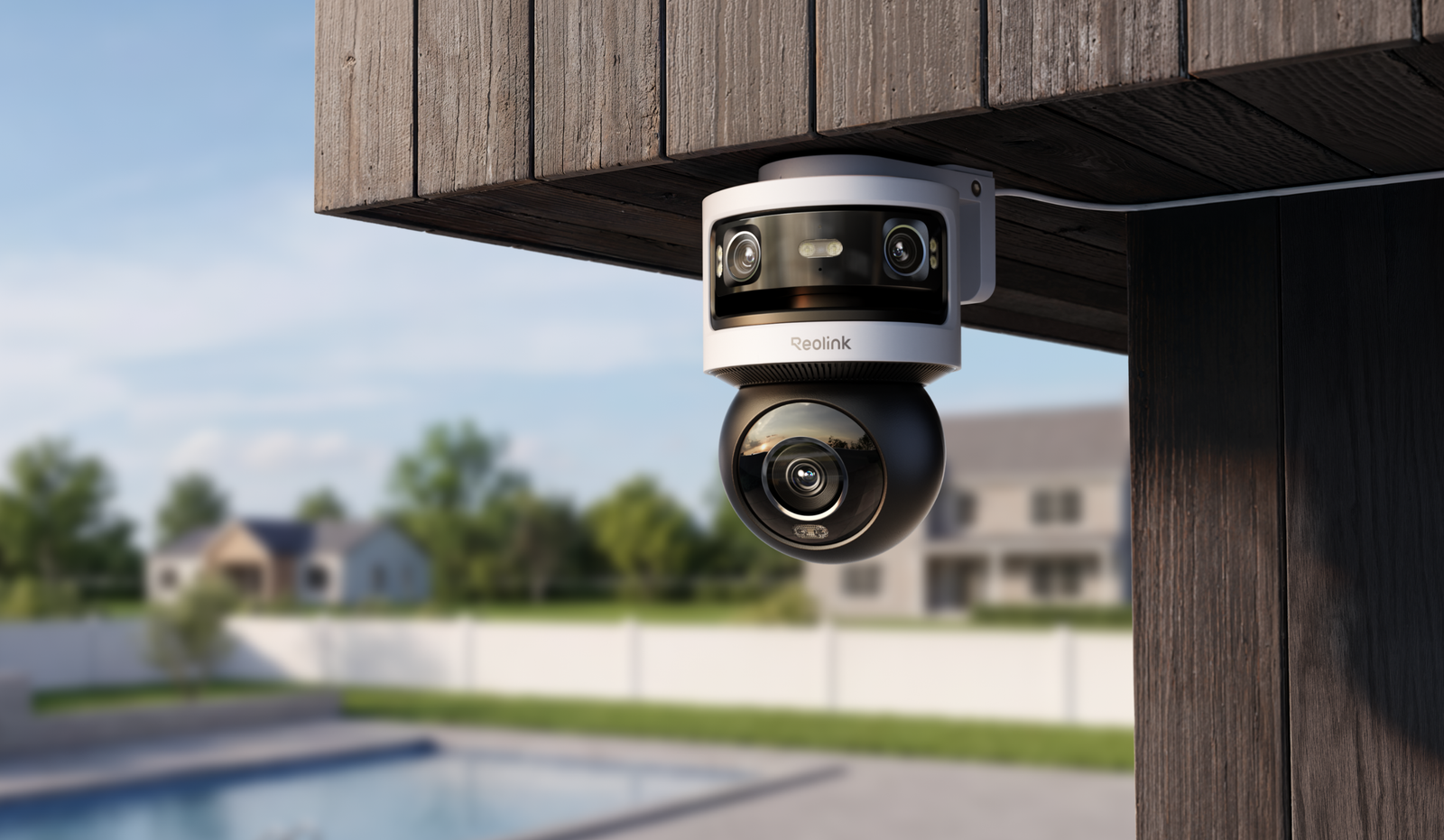
Home security cameras are becoming more capable, but choosing the right viewing angle is still a common problem.
Reolink demonstrated a new Omni-series camera that combines a wide-angle upper camera with a movable lower camera.
The showcased design aims to provide broad coverage while allowing more focused monitoring.
Battery-powered operation and solar charging were also highlighted.
Why it could change daily life
A camera that covers a wider area could help reduce blind spots around a driveway, entrance, or backyard.
Solar-assisted operation could also make installation easier in places where running power cables would be inconvenient.
However, security cameras still need careful placement, reliable connectivity, and appropriate privacy settings.
Best for: Home entrances, outdoor security, and hard-to-wire locations.
What to watch: Final model specifications, battery endurance, recording options, and privacy controls.
5. Aqara Smart Lights and Presence Sensors — A Home That Responds to People
One of the biggest frustrations with smart homes is that devices don't always respond reliably.
Aqara's newer lighting demonstrations focused on Zigbee and Thread connectivity, two technologies used in connected home ecosystems.
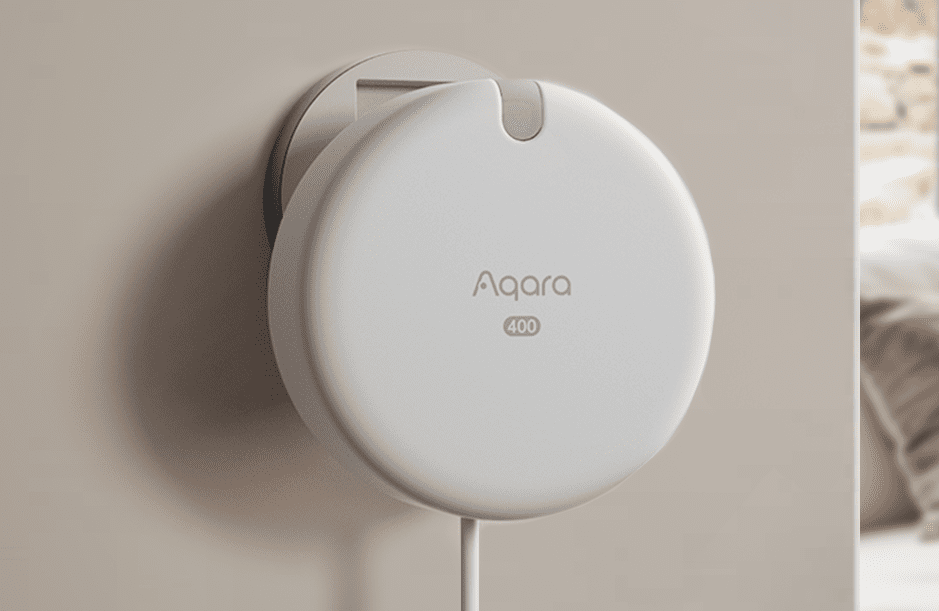
The company also showcased advanced presence-sensing devices, including the FP400 family.
Unlike a basic motion sensor that only notices movement, advanced presence sensors can potentially help automations respond to where people are in a room.
Why it could change daily life
Imagine entering your kitchen and having the lights turn on automatically.
When you move to the living room, the kitchen lights could turn off after the space is no longer occupied.
More advanced sensing could make these automations feel less mechanical and more natural.
Some future presence-sensing applications may also support safety-related monitoring, although such features should not be treated as substitutes for professional emergency systems.
Best for: Automatic lighting, room occupancy detection, and hands-free home control.
What to watch: Detection accuracy, false triggers, privacy, and ecosystem compatibility.
6. Moera Smart Cooling Mattress — Personalized Sleep Temperature
Anyone who has struggled to sleep in a hot bedroom knows how uncomfortable the wrong temperature can be.
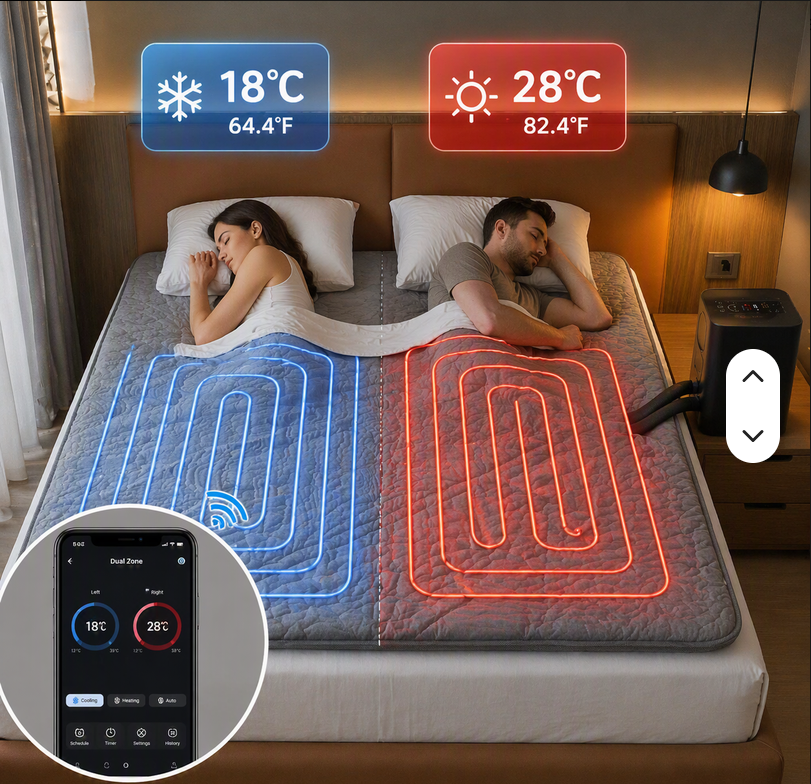
Moera demonstrated a temperature-controlled mattress topper that circulates water to help warm or cool the sleeping surface.
The concept allows different temperature settings on either side of the bed.
That means one person could prefer a cooler sleeping environment while their partner chooses a warmer setting.
Why it could change daily life
Instead of cooling or heating an entire room just to change how your bed feels, a temperature-controlled mattress topper focuses on the sleeping surface itself.
That could offer a more personalized bedtime experience.
The demonstration also highlighted connected-home compatibility, although the full range of integrations needs confirmation.
Best for: Couples with different temperature preferences and people interested in personalized sleep comfort.
What to watch: Noise, maintenance, comfort, long-term reliability, and smart home integrations.
7. Anker MindBase — A Local AI Brain for the Smart Home

Most smart home systems still depend on a collection of apps, hubs, and cloud services.
Anker's MindBase concept points toward a different future: a local AI system designed to help coordinate household technology.
The demonstrated device was described as supporting substantial local storage and AI-driven automation.
The larger idea is simple.
Instead of individually programming every connected device, you might eventually be able to describe what you want your home to do and let an intelligent system help manage the routine.
Why it could change daily life
Consider telling your home:
“Prepare everything for movie night.”
A sufficiently integrated AI home system might adjust compatible lights, temperature settings, and entertainment devices as part of a single routine.
That level of coordination remains dependent on software capabilities and device support, but it's an exciting direction.
Best for: Smart home enthusiasts and people interested in local AI automation.
What to watch: Actual AI capabilities, data privacy, processing requirements, supported devices, and launch details.
8. UGREEN AI Home Hub — Controlling Devices Through Conversation
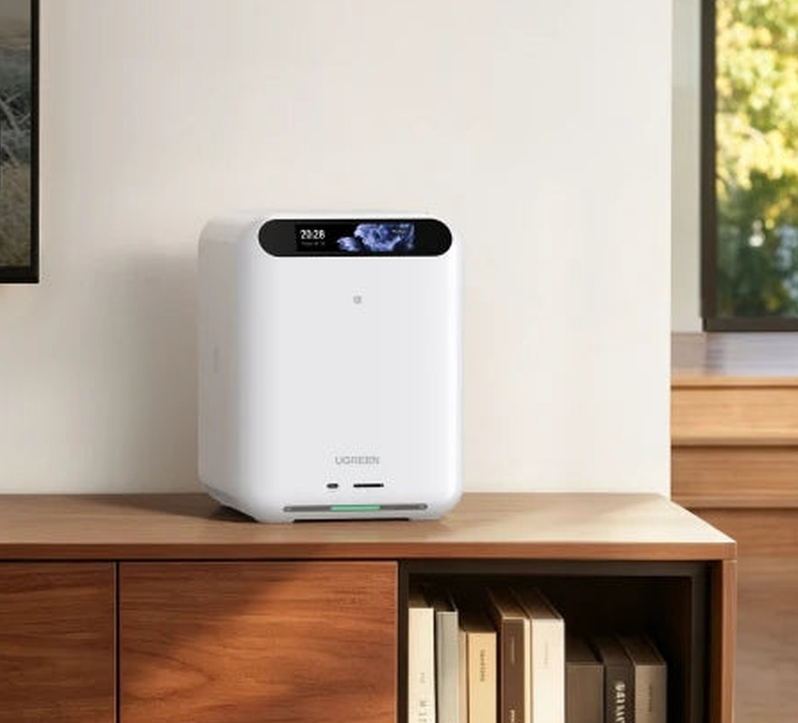
UGREEN also demonstrated local AI hardware designed to bring conversational control into the smart home.
The showcased systems included different hardware configurations and the possibility of interacting with an AI assistant through microphones and connected speakers.
The demonstration included actions such as controlling lights and window shades.
Why it could change daily life
Traditional smart home commands can feel rigid.
You might need to remember specific phrases or manually create complicated automation rules.
A more conversational interface could eventually make home control easier for people who don't want to learn the technical details.
For example, instead of selecting several settings, you might simply ask the system to make a room more comfortable.
Best for: Voice-controlled homes, advanced automation, and local AI experimentation.
What to watch: Accuracy, supported languages, privacy protections, and real-world reliability.
9. Homey Portal — A Simple Dashboard for Your Connected Home
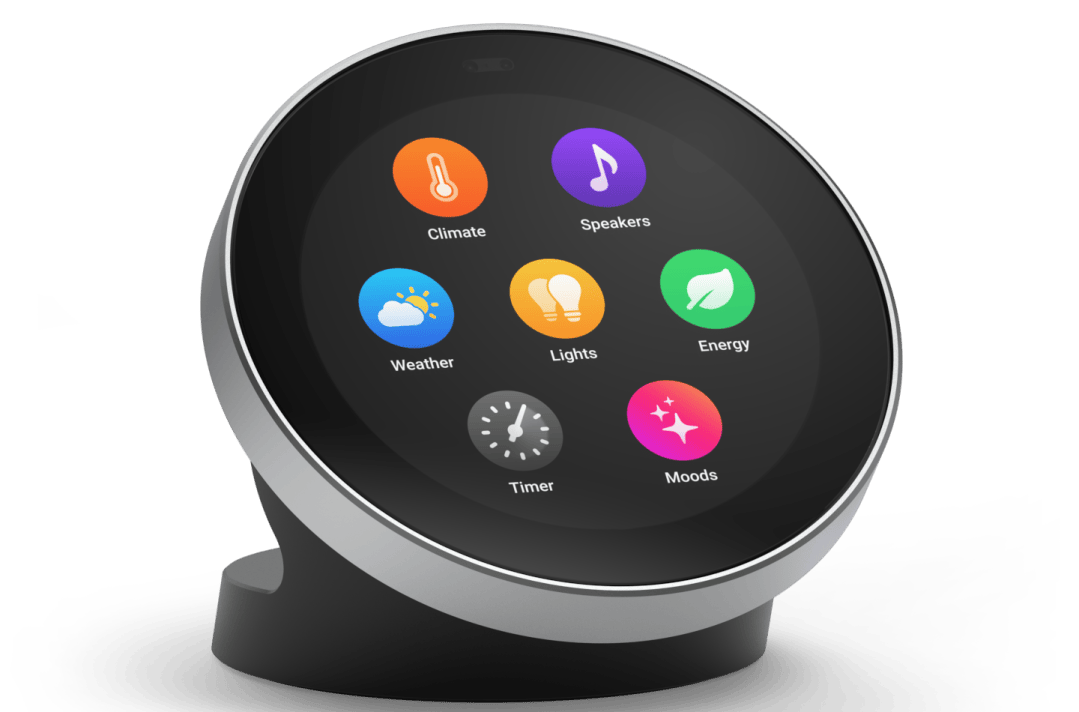
Smart homes can become surprisingly complicated.
You may have one app for lights, another for cameras, and a third for heating.
Homey demonstrated a compact, round dashboard called the Homey Portal, designed to make connected home controls easier to access.
Its small form factor could make it suitable for a bedside table, desk, or kitchen counter.
Why it could change daily life
A dedicated smart home dashboard can be more convenient than repeatedly unlocking a phone.
You could potentially check connected devices and access frequently used controls from one central location.
The appeal isn't necessarily having more features. It's making everyday tasks simpler.
Best for: Households with multiple connected devices.
What to watch: Supported controls, screen usability, pricing, and availability.
10. SwitchBot AI Art Frame — Digital Art That Feels More Natural

Digital photo frames have existed for years, but many still look like small tablets mounted on a wall.
SwitchBot demonstrated an updated AI Art Frame Luna featuring an e-paper-style display and a more minimal appearance.
The concept focuses on presenting digital images in a way that resembles framed artwork.
The demonstration also highlighted gifting features that could allow someone to send a personalized image to a recipient.
Why it could change daily life
Instead of keeping the same photograph or artwork on a wall for years, a connected frame could display different images over time.
It could show family memories, seasonal artwork, or personalized creations without requiring printed replacements.
Best for: Home decoration, personalized gifts, and digital art enthusiasts.
What to watch: Image quality, battery life, content management, and final product pricing.
11. Navimow Robotic Lawn Mower — Less Time Maintaining the Yard
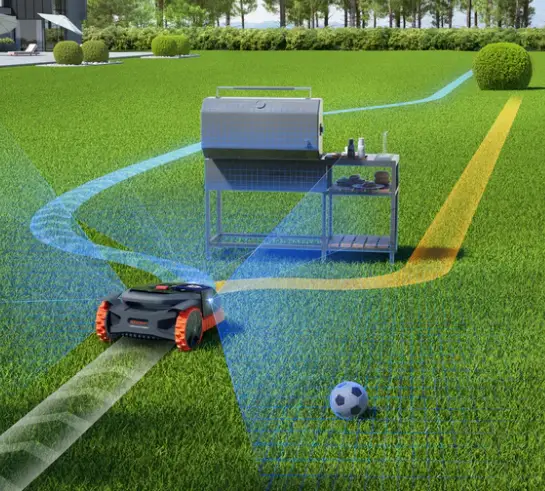
Robotic lawn mowers aren't entirely new, but manufacturers continue improving their navigation and trimming capabilities.
Navimow demonstrated newer robotic mowing technology with a particular focus on cutting along lawn edges.
Edge trimming matters because it's one of the tasks that can still require manual work after a robotic mower finishes.
The demonstration also highlighted advanced sensing and navigation features.
Why it could change daily life
Imagine returning home to a neatly maintained lawn without having spent the weekend pushing a mower.
More capable robotic mowers could reduce the amount of routine outdoor maintenance needed.
However, actual performance will depend on the yard's layout, slopes, obstacles, weather conditions, and the mower's capabilities.
Best for: Homeowners with lawns and people who want to automate outdoor maintenance.
What to watch: Edge-trimming effectiveness, obstacle detection, safety features, and pricing.
12. iRobot Dual Robot Vacuum Concept — Two Cleaning Robots in One
Robot vacuums are convenient, but they still struggle with some household messes.
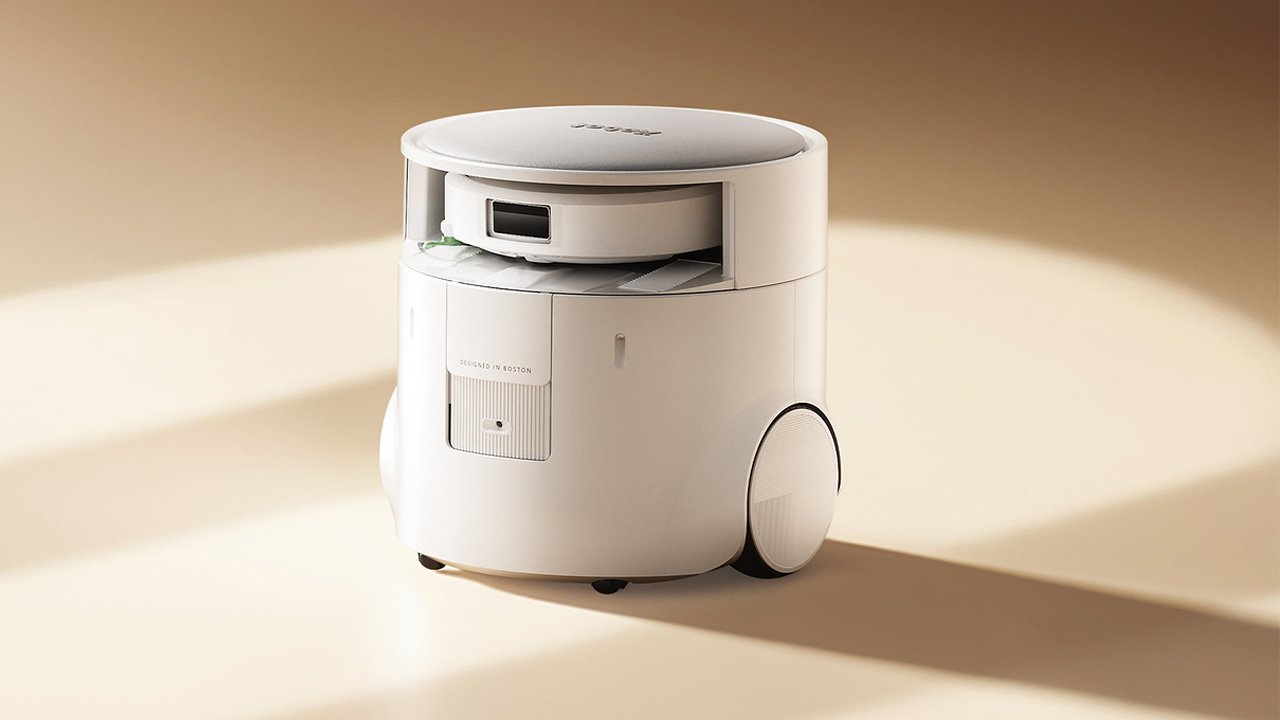
A larger cleaning machine may handle bulky debris and spills better, while a compact vacuum can reach under furniture.
iRobot demonstrated a concept that combines these two approaches.
The idea features a larger mobile cleaning unit that carries a smaller robotic vacuum.
The larger system could handle certain messes while the smaller robot moves into tighter spaces.
Why it could change daily life
A system like this could make automated cleaning more versatile.
Instead of expecting one small robot to handle every situation, different cleaning mechanisms could work together.
It's one of the more imaginative concepts on this list.
However, this remains a concept rather than a confirmed consumer product.
Best for: People interested in the future of automated household cleaning.
What to watch: Whether the concept reaches production, cleaning performance, maintenance needs, and price.
Which Future Smart Home Gadgets Are Worth Watching Most?
Not every exciting gadget will become an everyday necessity.
Some solve practical problems right now. Others show what might become possible when AI systems and connected devices become more capable.
Here are our top picks by category:
| Category | Gadget | Main Benefit |
|---|---|---|
| Air quality | Dreo Smart Air Purifier | Better visibility into indoor air conditions |
| Home security | Reolink Omni Camera | Broader outdoor surveillance coverage |
| Comfort | Moera Cooling Mattress | Personalized sleeping temperature |
| Smart automation | Anker MindBase | Potential for local AI-driven home control |
| Cleaning | iRobot Dual Vacuum Concept | More versatile automated cleaning |
| Outdoor maintenance | Navimow Robot Mower | Less routine lawn care |
If you're building a smart home today, reliable lighting, sensors, security, and environmental monitoring are sensible areas to explore first.
If you're more interested in what comes next, local AI hubs and advanced household robots are particularly worth following.
What Should You Consider Before Buying Future Smart Home Gadgets?
Before spending money on any connected device, ask yourself a few questions.
Will it work with my existing smart home?
Check whether it supports the platforms and communication standards you already use, such as Matter, Thread, Zigbee, or your preferred smart home controller.
Does it require a subscription?
Some connected devices offer basic functions without additional fees but charge for cloud storage or advanced features.
What happens if the internet goes down?
Devices with useful local controls may continue working even when cloud services are unavailable.
How is personal data handled?
Cameras, microphones, and AI systems deserve particular attention. Look for clear privacy settings, security updates, and reasonable data-retention policies.
Is it a real product or just a concept?
A working trade-show demonstration doesn't necessarily mean a product is ready to buy.
Check official availability and specifications before making purchasing decisions.
Final Thoughts: The Future Smart Home Is About Doing Less
The most interesting thing about future smart home gadgets isn't that they can connect to the internet.
It's that they're gradually becoming better at solving ordinary problems.
A sensor that helps reduce wasted lighting, a mattress that makes sleep more comfortable, or a robotic mower that gives you back part of your weekend can be more valuable than an impressive-looking gadget with no practical purpose.
Artificial intelligence could make these systems easier to use, but reliability, privacy, and affordability will ultimately determine which ideas become part of everyday life.
As we move toward 2027, the biggest change may not be having more technology in our homes.
It may be having technology that requires less of our attention.
Which of these future smart home gadgets would you actually want in your home?
Frequently Asked Questions
What are the most promising smart home gadgets for 2027?
AI home hubs, advanced presence sensors, smarter security cameras, temperature-controlled bedding, and next-generation cleaning robots are among the most interesting technologies to watch.
Can AI control an entire smart home?
AI can already help with some connected-home tasks, but full household control depends on compatible devices, reliable integrations, and appropriate permissions. Many advanced AI home systems are still developing.
Are future smart home gadgets expensive?
Prices vary widely. Simple sensors and smart lighting can be relatively affordable, while advanced robotics, local AI hardware, and specialized sleep systems can cost considerably more.
What is the difference between Zigbee, Thread, and Matter?
Zigbee and Thread are communication technologies used by connected devices. Matter is a smart home interoperability standard designed to help supported products work across different ecosystems. They serve different roles and aren't direct substitutes in every situation.
Should I wait until 2027 to build a smart home?
Not necessarily. Useful smart home technology is already available. You can start with practical devices today and add newer technology as it becomes reliable, compatible, and affordable.
NextGad covers emerging technology, useful gadgets, and practical digital tools to help readers understand what's coming next.