12 Futuristic Tech Gadgets That Feel Years Ahead of 2026
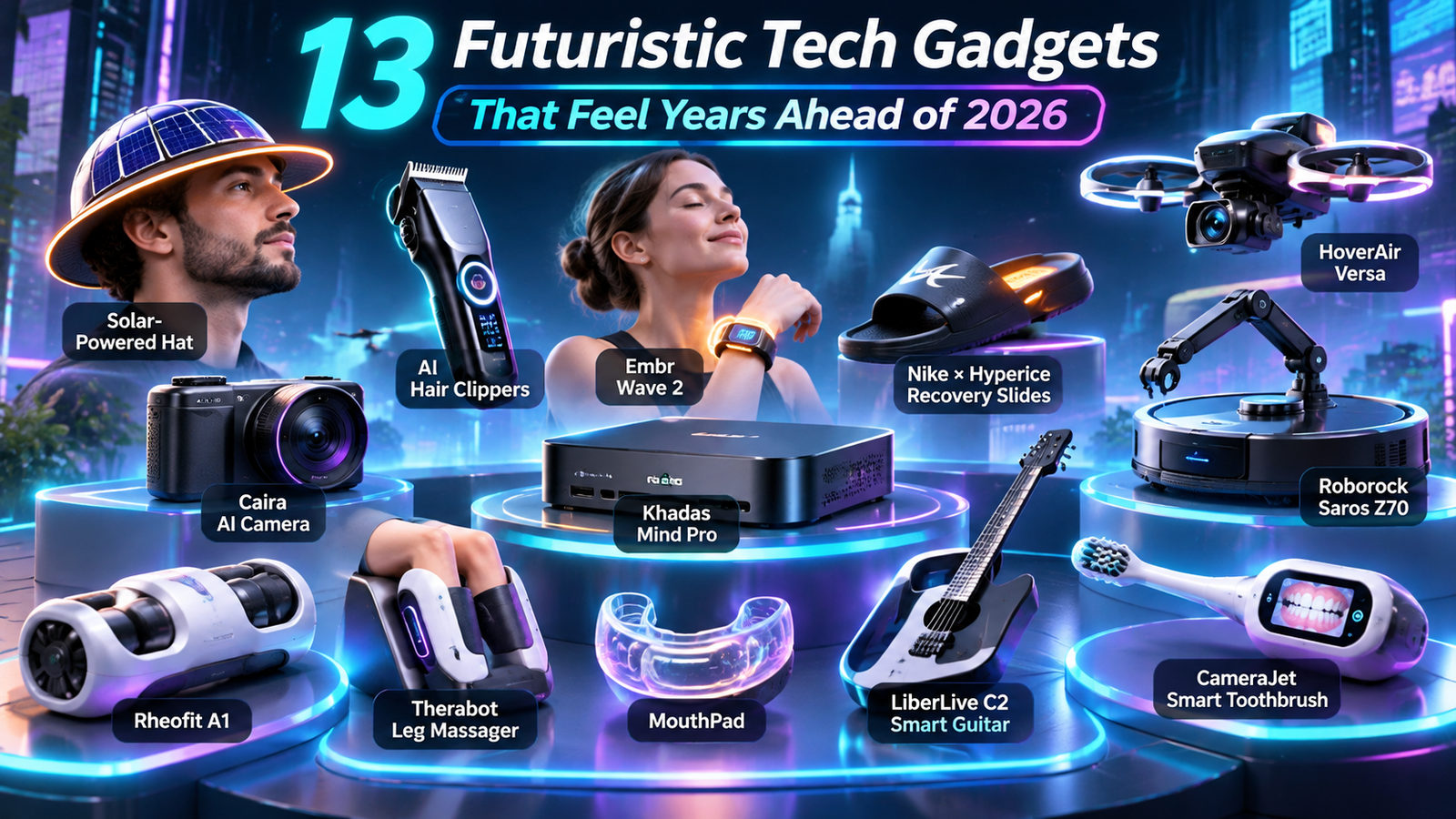 12 Futuristic Tech Gadgets That Feel Years Ahead of 2026
Imagine a camera that can detach from your hand and fly after you. A computer that moves between your laptop, desktop, and gaming setup. Or a robot vacuum that doesn't simply avoid shoes on the floor—it picks them up.
These aren't just ideas from a science-fiction movie. They're examples of technologies being developed and demonstrated today.
But there's a difference between a gadget that looks futuristic and one that genuinely improves everyday life.
Some products solve frustrating problems in clever ways. Others introduce new complications, expensive accessories, or features that aren't quite ready for regular use.
Inspired by the futuristic technology demonstrated in a 2026 video from tech creator Mrwhosetheboss, this guide explores 12 particularly interesting gadgets, what makes them different, and whether their innovations are actually useful.
1. Automatic Hair Clippers That Help You Cut Your Own Fade
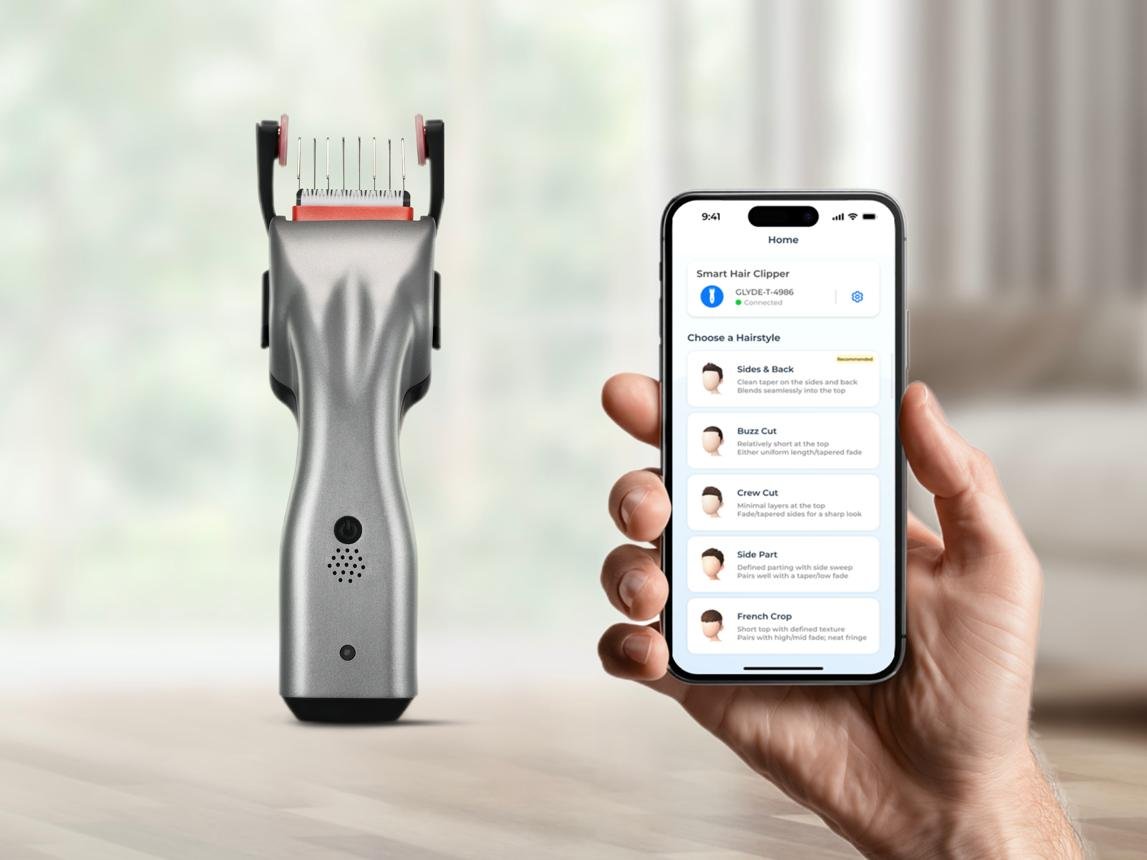
Getting a clean fade haircut at home isn't easy. Professional barbers spend years developing the control needed to blend different hair lengths smoothly.
Now imagine clippers that help manage that process automatically.
The system demonstrated in the video uses a reference band around the head and sensors that monitor the clipper's position relative to it. As the clippers move, the cutting length adjusts to help create a gradual fade.
There's also a safety-oriented feature: the blades retract when the clippers are held at an unsuitable angle.
Why this matters
Home haircuts could become much more approachable for people who struggle with traditional clippers.
However, an automatic fade system still isn't the same as a professional barber. Hair texture, head shape, difficult angles, and the desired hairstyle can all affect the result.
Best for: People interested in assisted home grooming.
Main limitation: Sensor-assisted cutting cannot guarantee a professional result.
2. Solar-Powered Hat: Turning Sunlight Into Phone Charging

A hat usually protects your head from the sun. A solar-powered hat tries to do something more productive with that sunlight.
Its integrated solar cells generate electricity that can be used to charge a connected device.
Unlike carrying a separate solar panel, the hat keeps the charging surface on something you're already wearing.
Does it actually work?
In the video's demonstration, the connected phone's battery indicator increased from 1% to 42% over a period of just under two hours.
That's an interesting result, but it shouldn't be treated as a guaranteed charging rate. Sunlight intensity, panel orientation, phone power consumption, and charging efficiency can all influence performance.
Is it useful?
For outdoor activities, festivals, hiking, or situations where wall outlets are unavailable, wearable solar charging has obvious appeal.
The trade-off is appearance, comfort, weather resistance, and the limited surface area available for solar cells.
Best for: Outdoor enthusiasts and people interested in portable renewable energy.
Main limitation: Charging performance depends heavily on conditions.
3. Khadas Mind Pro: One Computer, Multiple Workstations

Most people treat laptops, desktop computers, and gaming PCs as separate devices.
The Khadas Mind Pro explores a different approach: what if the same small computer could power several different setups?
The compact main unit shown in the video includes a high-performance laptop-class processor, 64GB of RAM, and 2TB of storage.
Its distinctive feature is a high-speed connection called Mind Link.
This allows the computer to connect to compatible accessories, including a laptop-style display and keyboard, a desktop docking station, and an external graphics module.
Why modular computing is exciting
Picture a typical workday.
You begin with a portable computer, connect it to a desktop dock with multiple monitors at work, then attach a graphics module for gaming later.
Instead of transferring files between different computers, you're carrying the same computing environment between locations.
A small internal backup battery also helps maintain standby operation during transitions.
The problem with modular PCs
The accessories add considerable expense.
In the demonstration, the combined setup was estimated at approximately $4,500. That was the video's example configuration, not a verified current retail price.
The system also becomes less convenient when you're away from compatible screens and power sources.
Best for: Technology enthusiasts with multiple fixed workstations.
Main limitation: High total cost and dependence on proprietary accessories.
4. Caira AI Camera: A Mirrorless Camera That Attaches to Your Phone
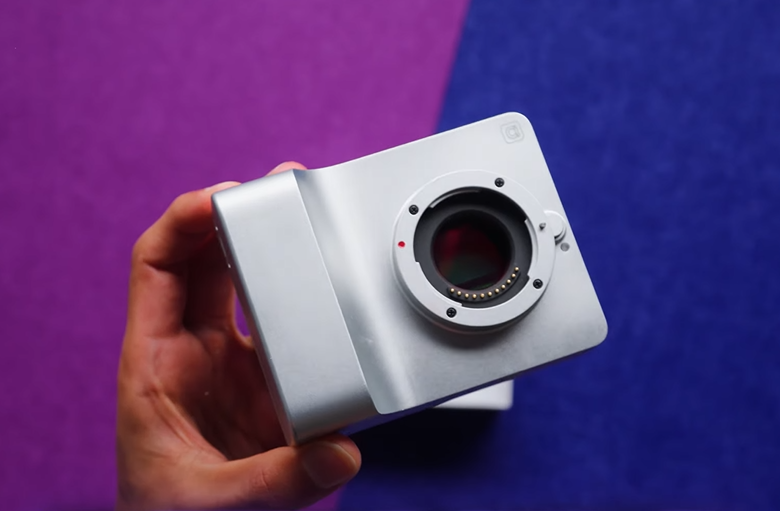
Smartphones are excellent for casual photography, but traditional cameras still offer advantages in lens selection and creative control.
The Caira camera attempts to combine both experiences.
It attaches magnetically to a compatible smartphone, using the phone as its display and control interface.
A direct Wi-Fi connection provides a live camera preview, while a Micro Four Thirds lens mount allows interchangeable lenses.
What makes it futuristic?
The camera integrates generative AI editing into its companion app.
Rather than exporting an image to another service, users can request visual changes within the same workflow.
For example, someone could capture a portrait and then experiment with an AI-generated outfit change.
Where the idea gets complicated
The demonstrated beta experience had some rough edges.
Subject-tracking autofocus was inconsistent, audio capture was problematic, and the app needed refinement.
There's also an interesting philosophical question: if someone buys a dedicated camera for authentic image quality, how much generative editing do they actually want?
Best for: Mobile creators interested in interchangeable lenses and AI editing.
Main limitation: Early software and audio issues.
5. LiberLive C2: A Guitar Without Traditional Strings
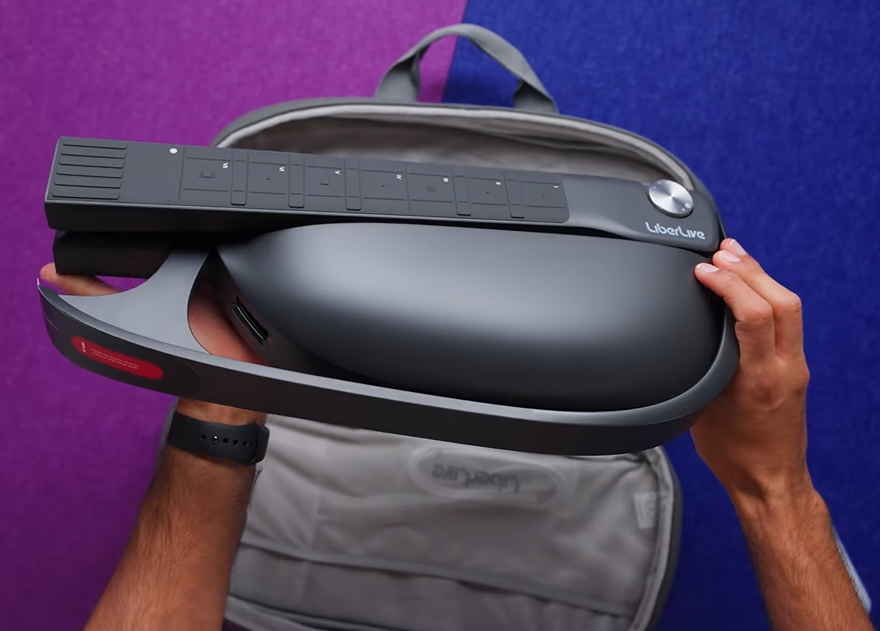
Learning guitar takes practice, patience, and plenty of uncomfortable finger positions.
The LiberLive C2 offers a different experience.
Instead of traditional strings, it uses buttons and strumming controls that trigger digital sounds.
A built-in speaker produces the audio, while electronic controls allow users to change keys, sounds, and playing styles.
It can even imitate instruments beyond the guitar.
A new kind of musical creativity
The interesting part isn't that it replaces an acoustic guitar.
It's that it makes producing music more approachable.
Users can experiment with different sounds, follow visual guidance, and play without first mastering traditional chord shapes.
That could make it entertaining for beginners, casual musicians, or anyone who wants to explore music without committing to a conventional instrument.
Can it teach you guitar?
Not necessarily.
The skills required to operate digital controls aren't identical to the finger placement, timing, and technique needed for an acoustic or electric guitar.
Best for: Casual music creation and accessible musical entertainment.
Main limitation: It doesn't directly replace learning a traditional instrument.
6. Embr Wave 2: Personal Temperature Control on Your Wrist
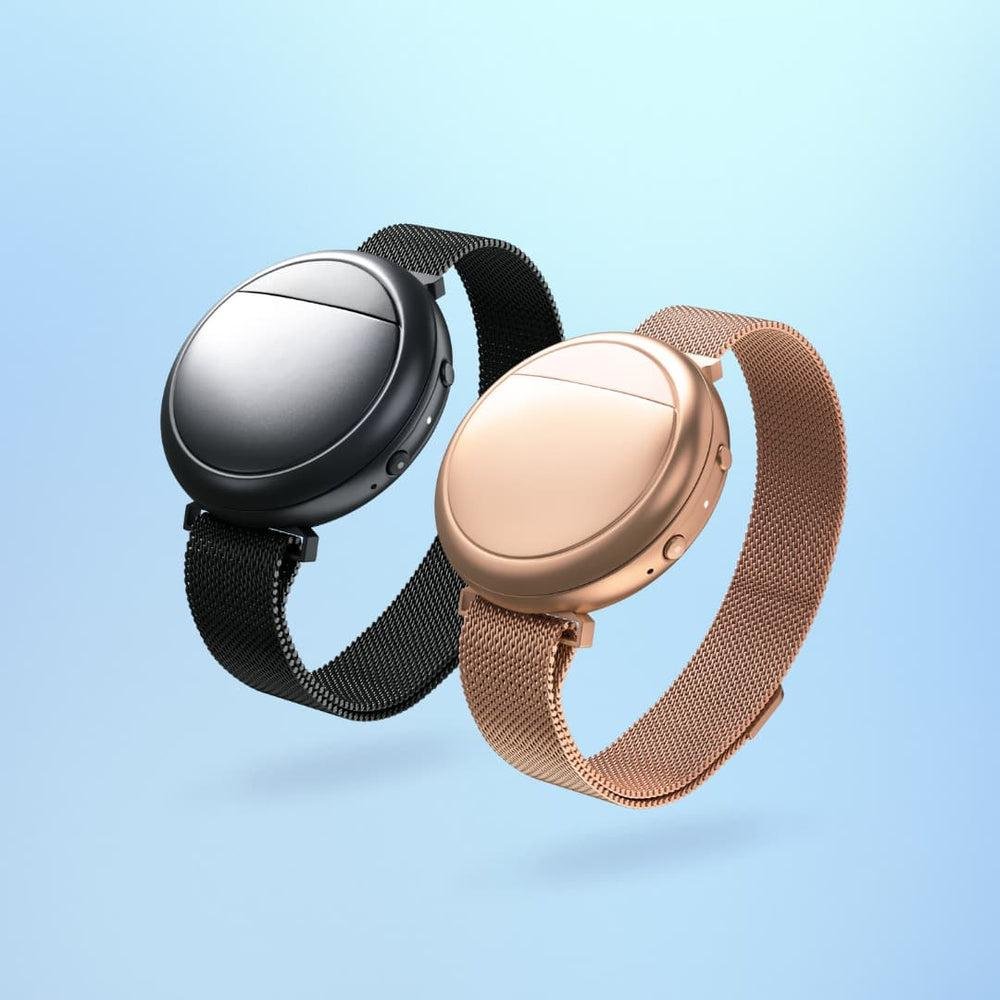
Imagine sitting in a warm office while everyone around you feels perfectly comfortable.
You could ask someone to change the thermostat. Or you could use a wearable designed to change how warm or cool you feel.
The Embr Wave 2 is worn against the inside of the wrist and uses thermoelectric technology to create warming or cooling sensations.
How does it work?
Rather than cooling an entire room, the device delivers localized thermal sensations to a temperature-sensitive area of the skin.
This can influence thermal comfort without requiring the surrounding environment to change.
That distinction matters.
The device is not a miniature air conditioner capable of dramatically lowering core body temperature.
Why it could be useful
Personal thermal comfort is an interesting alternative to constantly adjusting shared heating and cooling systems.
It may be appealing in offices, during travel, or in situations where individuals have different temperature preferences.
Best for: People interested in personalized thermal comfort.
Main limitation: Localized temperature sensations are not equivalent to cooling the whole body.
7. Nike x Hyperice Recovery Slides: Footwear With Heat and Vibration
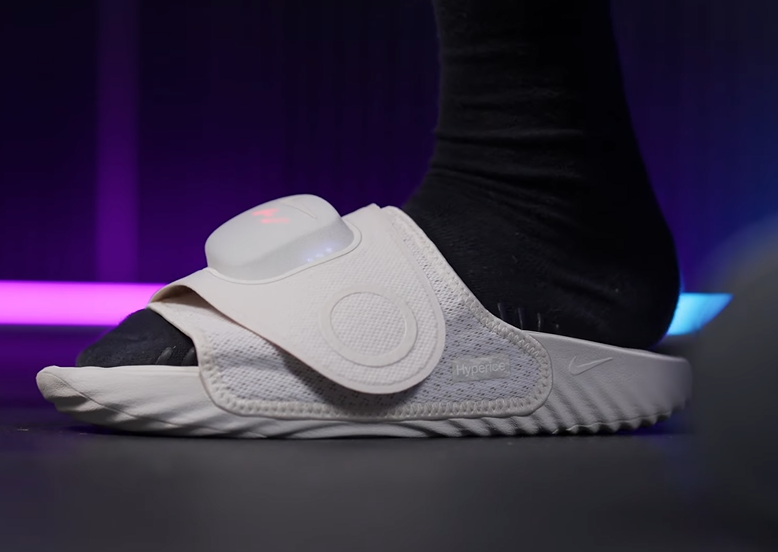
Most recovery footwear focuses on cushioning and support.
The Nike and Hyperice collaboration adds active technology.
The slides demonstrated in the video combine cushioned footwear with a removable recovery module offering adjustable heat and vibration.
The concept is simple: wear the slides while enjoying a foot-focused recovery experience.
What makes them different?
Traditional slippers are passive. These slides introduce controllable sensations.
The combination could appeal to people who spend long periods standing, exercising, or walking.
However, the demonstration also highlighted a practical downside: the vibration mechanism was noticeably noisy.
And while the sensations may feel pleasant, that doesn't automatically establish specific medical or athletic recovery benefits.
Best for: People interested in premium comfort and active foot massage.
Main limitation: Noise and a vibration sensation that may not feel like traditional massage.
8. Rheofit A1: A Robotic Foam Roller for Your Back
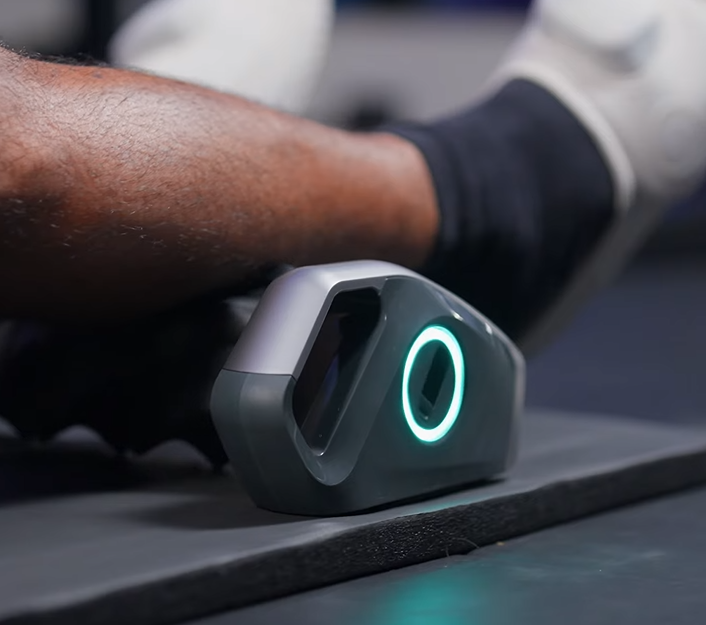
Foam rolling can be helpful for managing temporary muscle tightness, but reaching the right areas and applying consistent pressure can be awkward.
The Rheofit A1 attempts to automate that process.
The demonstrated device uses 84 massage nodes and moves along the body while delivering pressure across the back.
It is designed to avoid the central spinal area and includes a feature described as a personalized stiffness map.
Why robotic massage is interesting
Traditional foam rolling requires the user to control body position and movement.
An automated device could potentially make the experience more consistent and convenient.
It may also appeal to people who spend long hours working at desks.
What should users be careful about?
Pressure-based massage devices are not suitable for everyone.
People with injuries, significant pain, or medical conditions should seek appropriate professional guidance rather than assuming a robotic roller is a substitute for treatment.
Best for: People interested in automated massage technology.
Main limitation: Strong pressure and the need for appropriate safety precautions.
9. Therabot: A Hands-Free Robotic Leg Massager
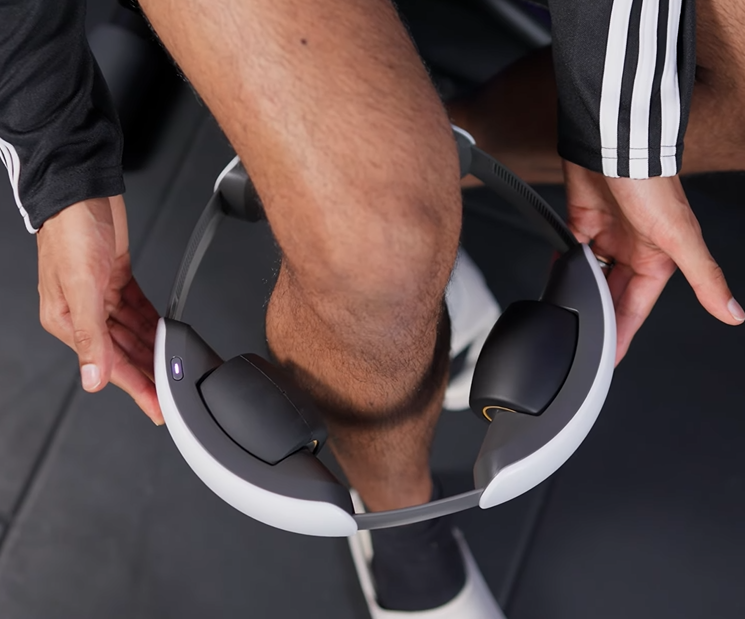
Leg massage devices are nothing new.
What makes Therabot unusual is its moving robotic design.
The pre-production unit demonstrated in the video adjusts around the leg and travels along it while applying pressure.
Rather than relying on a fixed compression sleeve, it attempts to provide a more dynamic massage experience.
The clever part
The device appeared to adjust pressure according to its position along the leg.
This suggests a future in which massage products adapt their movement and intensity to different body regions.
The challenge
The demonstrated pressure could become extremely intense.
That makes safety controls, reliable stopping mechanisms, comfort settings, and appropriate testing particularly important.
Because the demonstrated unit was pre-production, its final performance and commercial availability should not be assumed.
Best for: People following experimental wellness robotics.
Main limitation: High pressure and early-stage product maturity.
10. CameraJet: A Toothbrush That Uses a Camera to Assist Flossing
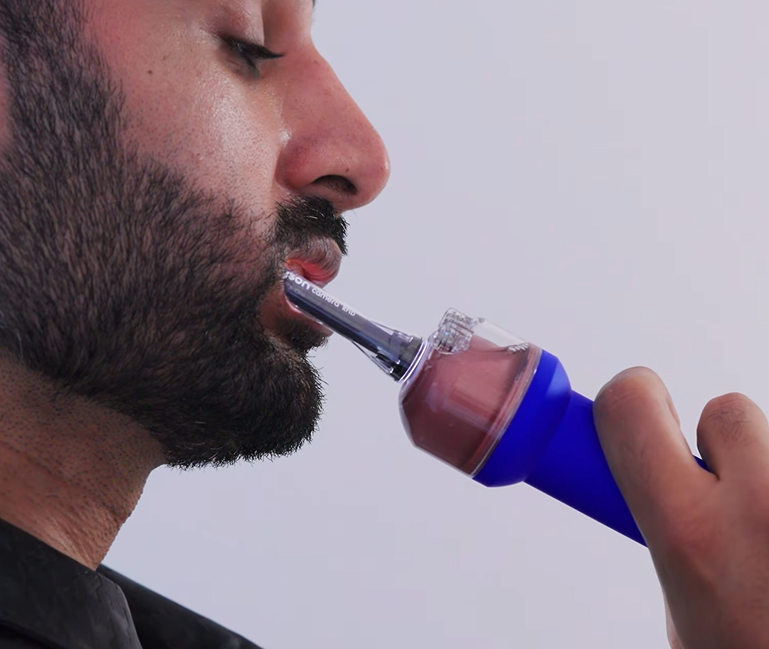
Brushing and flossing are usually separate parts of oral hygiene.
The CameraJet concept combines an electric toothbrush, a camera, and a targeted cleaning jet.
According to the claims discussed in the video, the camera analyzes images during brushing to identify spaces between teeth and help direct the jet toward them.
The system also provides feedback about brushing pressure and technique.
Why this could change oral care
A device that helps users notice missed areas could make everyday brushing more interactive.
Automated feedback might also encourage better habits.
But the complexity introduces new concerns: cleaning accuracy, reliability, maintenance, and long-term durability.
The demonstration described hardware failures and possible retailer withdrawals. Those reports should be independently verified before making a purchasing decision.
Best for: People interested in experimental smart oral-care devices.
Main limitation: Reliability concerns and the need for independent clinical validation.
11.Mouthpad : Controlling a Computer With Your Tongue
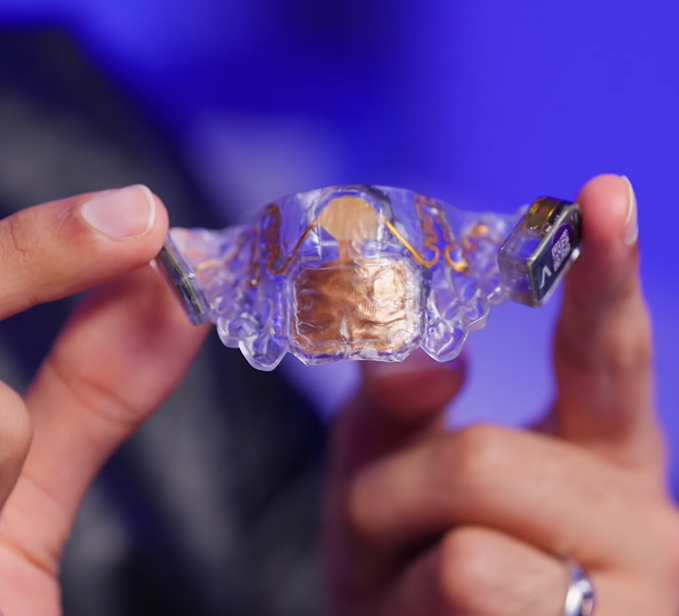
Of all the technologies on this list, MouthPad has one of the most meaningful potential applications.
The device resembles a dental retainer and sits inside the mouth.
Sensors detect tongue movements, allowing users to control a computer cursor and perform interactions without relying on their hands.
The demonstrated system also included head-tracking functionality.
Why this matters beyond convenience
For people with certain mobility limitations, alternative computer input methods can make digital technology more accessible.
A tongue-controlled interface could potentially help with web browsing, navigation, communication, and other everyday tasks.
The demonstration showed cursor movement, clicking, scrolling, and interaction with computer software.
Is it practical for everyone?
That depends on comfort, accuracy, compatibility, training, and individual needs.
It's an exciting example of assistive technology, but suitability should be evaluated on a case-by-case basis.
Best for: Accessibility applications and experimental hands-free computing.
Main limitation: Comfort, learning curve, and individual compatibility.
12. HoverAir Versa and Roborock Saros Z70: Two Different Visions of Robotics
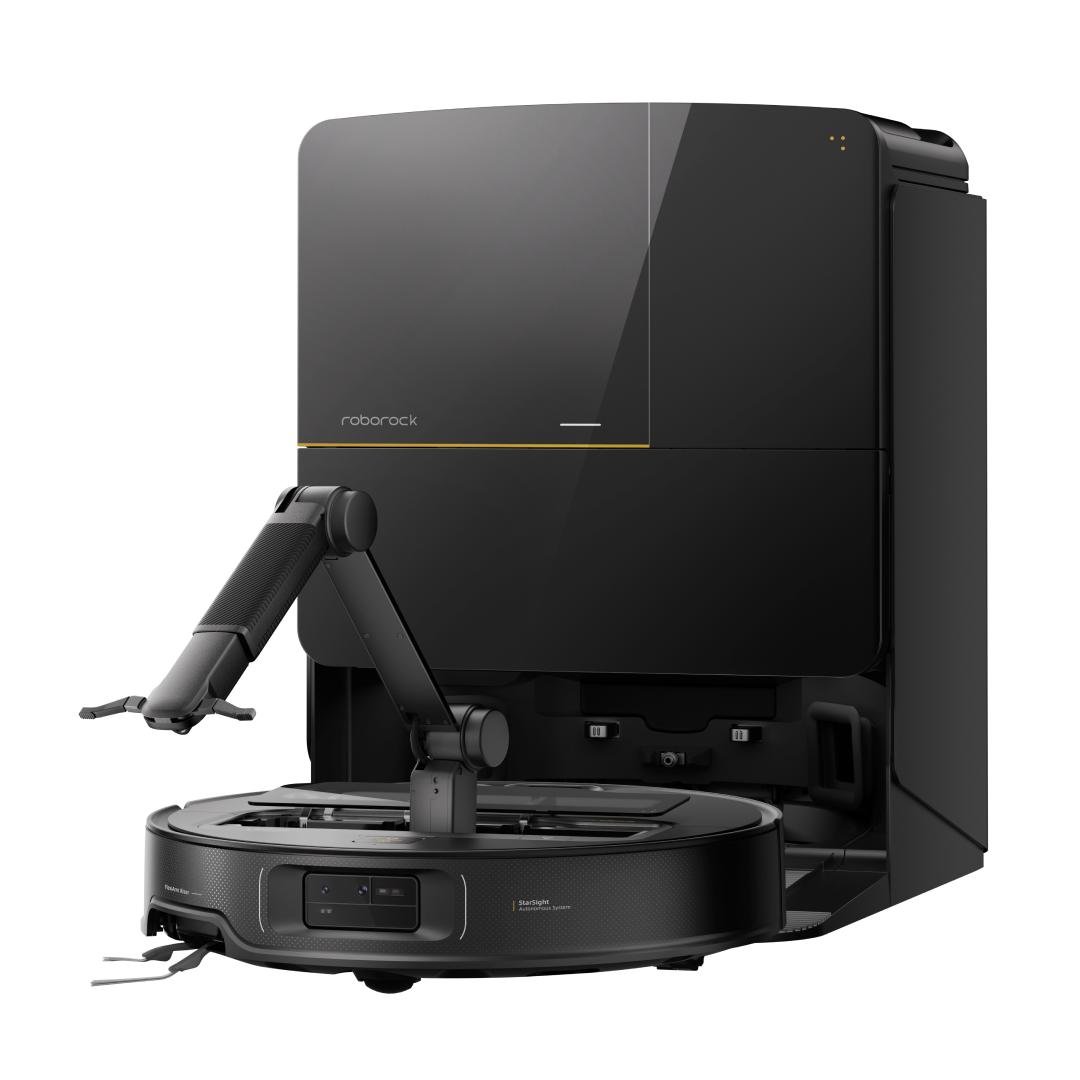
The final two products demonstrate how robotics can change ordinary gadgets in very different ways.
HoverAir Versa: A Camera That Becomes a Flying Companion
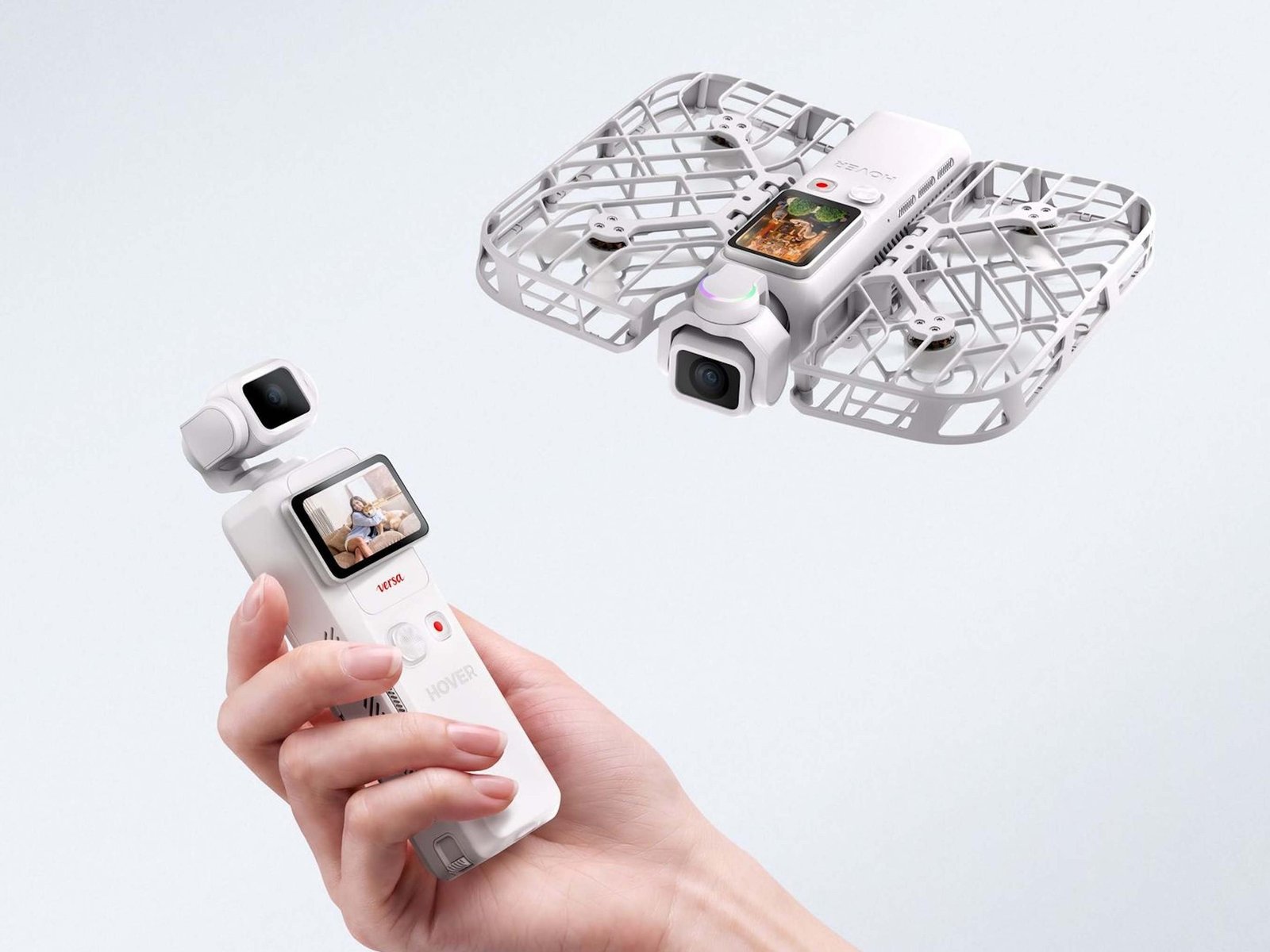
At first glance, the HoverAir Versa looks like a compact action camera.
It includes a rotating display, 4K recording, and a three-axis gimbal.
Its unusual feature is an optional flight system that attaches to the camera, transforming it into a small flying camera.
The demonstration included autonomous following, orbit-style shots, and cinematic camera movement.
For solo creators, this idea is compelling.
Instead of carrying both a handheld camera and a separate drone, one device could potentially handle both jobs.
However, autonomous flight introduces practical concerns involving safety, battery life, weather, and local drone regulations.
Best for: Travel vloggers and solo video creators.
Main limitation: Flight restrictions, safety, and additional hardware.
Roborock Saros Z70: A Robot Vacuum With an Arm
Robot vacuums have become increasingly capable of recognizing obstacles.
But most still have to clean around objects left on the floor.
The Roborock Saros Z70 takes a more ambitious approach.
It incorporates a retractable robotic arm designed to pick up certain objects and move them away from the cleaning path.
In the demonstration, the robot recognized footwear and moved it toward a designated area.
That might sound like a small improvement.
But it addresses a real limitation of autonomous cleaning: even intelligent robot vacuums can be interrupted by everyday clutter.
A robotic arm creates the possibility of cleaning systems that do more than navigate around obstacles.
They could actively prepare an area for cleaning.
Of course, object recognition, gripping accuracy, supported item types, and reliability remain important considerations.
Best for: Smart-home enthusiasts interested in advanced cleaning automation.
Main limitation: Object-handling capabilities are limited and depend on reliable recognition.
Which Futuristic Gadgets Are Actually Worth Paying Attention To?
Not every futuristic product needs to become a household essential.
Some are interesting because they introduce new experiences. Others matter because they address problems that conventional technology has struggled to solve.
Here's how these innovations compare.
| Gadget | Most interesting benefit | Biggest concern |
|---|---|---|
| Automatic hair clippers | Assisted home haircuts | Cutting accuracy |
| Solar-powered hat | Wearable charging | Variable sunlight |
| Khadas Mind Pro | One PC for multiple setups | Total system cost |
| Caira camera | Smartphone-based camera controls | Software maturity |
| LiberLive C2 | Accessible music creation | Limited traditional guitar skill transfer |
| Embr Wave 2 | Personal thermal comfort | Localized effects |
| Nike x Hyperice slides | Active foot comfort | Noise |
| Rheofit A1 | Automated back massage | Pressure and safety |
| Therabot | Moving leg massage | Intensity and maturity |
| CameraJet | Assisted oral cleaning | Hardware reliability |
| MouthPad | Hands-free computer input | Fit and accessibility |
| HoverAir Versa | Handheld and flying camera | Flight limitations |
| Roborock Saros Z70 | Moving objects during cleaning | Object-handling reliability |
The Biggest Technology Trends Behind These Gadgets
Although these products look very different, several common trends connect them.
1. AI is moving into physical devices
AI is no longer limited to chatbots and software.
Cameras, cleaning robots, and other smart devices increasingly use intelligent processing to interpret their surroundings and support more complex actions.
2. Personal technology is becoming more adaptive
Wearable temperature devices, sensor-assisted grooming tools, and automated massage products all explore the same idea: technology that responds to the individual.
3. Robots are learning to interact with objects
Avoiding obstacles is one thing. Moving them is another.
The Roborock demonstration illustrates how manipulation could become an important next step for household robotics.
4. Accessibility can drive meaningful innovation
The MouthPad demonstrates that futuristic interfaces aren't necessarily about novelty.
Alternative input methods may open new possibilities for people who cannot comfortably use traditional controls.
5. Convenience matters more than appearance
A product can look extraordinary and still be inconvenient.
The strongest technologies will be those that improve everyday tasks without introducing more complexity than they remove.
Frequently Asked Questions
What are futuristic tech gadgets?
Futuristic tech gadgets are devices that introduce unusual capabilities, advanced sensors, AI-powered functions, robotics, or new ways of interacting with technology.
Are these futuristic gadgets available in 2026?
The products discussed here appeared in a 2026 technology demonstration. Their commercial availability, regional support, and production status vary. Some were demonstrated in beta or pre-production form.
Which futuristic gadget is most useful?
That depends on the user's needs. MouthPad stands out for its potential accessibility applications, while the Roborock Saros Z70 explores a practical improvement to autonomous home cleaning.
Can a solar-powered hat really charge a smartphone?
Yes, a hat equipped with functional solar cells can generate electricity for charging. Actual results depend on sunlight, panel output, and device power requirements.
Will robots replace ordinary household gadgets?
Robotics will likely add capabilities to more household devices, but cost, reliability, maintenance, and safety will influence how widely those products are adopted.
Are AI gadgets always better than traditional devices?
No. AI features are valuable when they solve a real problem. They can also introduce complexity, privacy concerns, and reliability issues when poorly implemented.
Final Thoughts: The Future Is More Than a Collection of Cool Gadgets
The most exciting thing about futuristic technology isn't necessarily how strange it looks.
It's what becomes possible when familiar devices gain new abilities.
A camera can become a flying assistant. A vacuum can move obstacles. A small computer can travel between workstations. A person can control a cursor without using their hands.
Some of these ideas are still expensive, experimental, or imperfect.
But together, they point toward a future in which technology becomes more adaptable, automated, and personal.
The question isn't simply whether these gadgets look like they're from 2030 or 2050.
It's whether they make life better today.
And that is the standard every futuristic gadget should eventually have to meet.
Source and editorial note: This article was developed using the product demonstrations and commentary in Mrwhosetheboss's October 2026 video, I tested the most Futuristic Tech – it scared me. The analysis, comparisons, and explanations here are independently written for NextGad. Product specifications and observations attributed to the demonstration have not all been independently verified.
Original video: https://www.youtube.com/watch?v=nQdXp6HKKik
Explore more on NextGad: Discover free online tools, image utilities, password generation, and practical technology guides at https://nextgad.com/.